Basketball Court Construction Advisory
FIBA-compliant basketball court construction Advisory and consultation for schools, academies, clubs, and professional sports facilities.

Basketball Court Construction Consulting
Olympiados provides independent basketball court construction consultancy services for schools, sports academies, clubs, and institutional projects across India.
We advise clients across the complete lifecycle of a basketball court project—from feasibility assessment and design validation to material selection, cost planning, execution oversight, and quality audits. Our role is to ensure that basketball courts are built to international playing standards, are technically sound, and remain durable over the long term.
Our consulting scope covers both indoor and outdoor basketball courts, including surface systems, sub-base design, drainage strategy, lighting layouts, fencing, and compliance with FIBA-recommended specifications. We work alongside architects, civil contractors, and flooring vendors to safeguard client interests and eliminate execution risks.
Whether the requirement is an academic sports facility or a high-performance training court, Olympiados acts as a technical advisor—ensuring informed decisions, controlled budgets, and performance-driven outcomes.
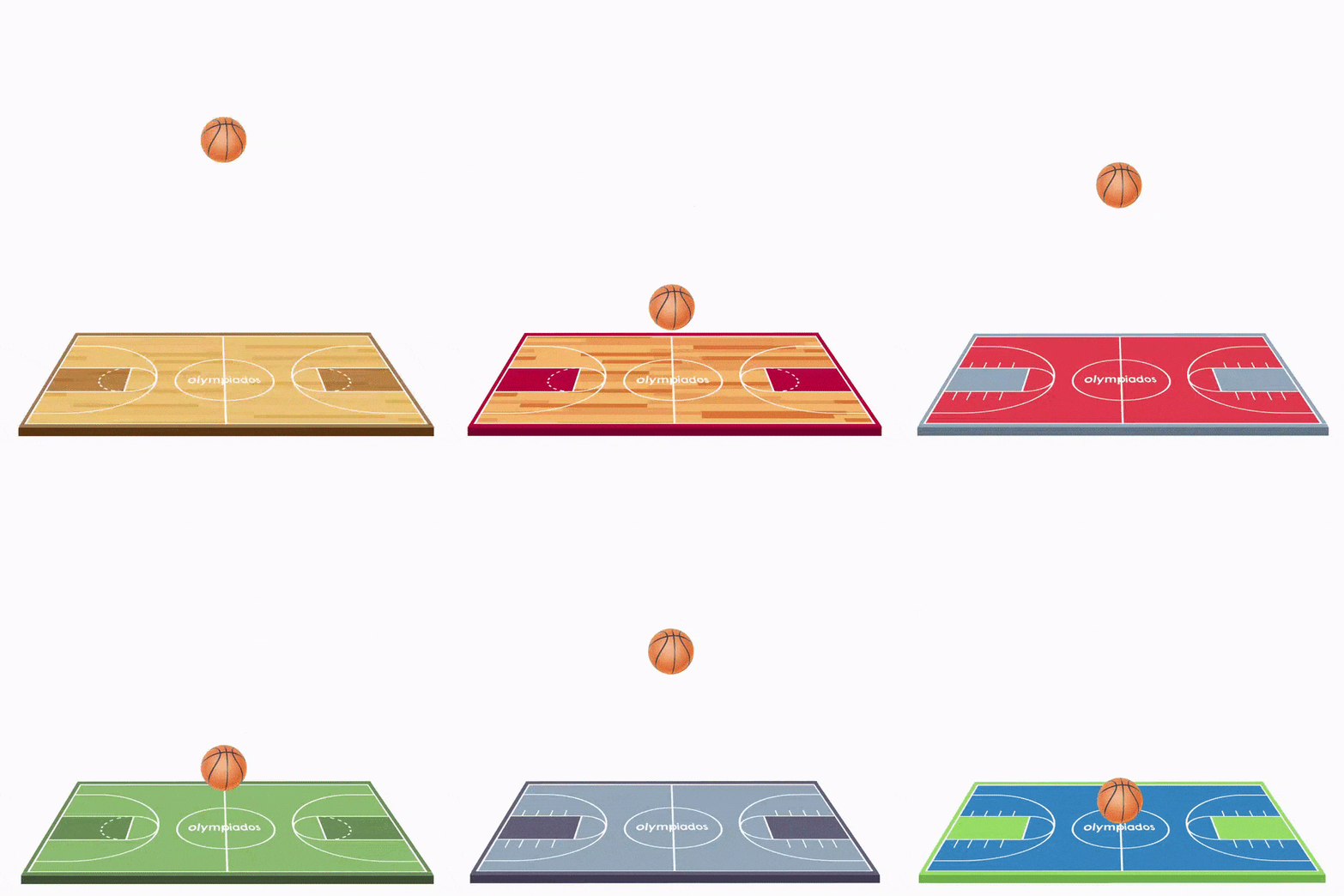
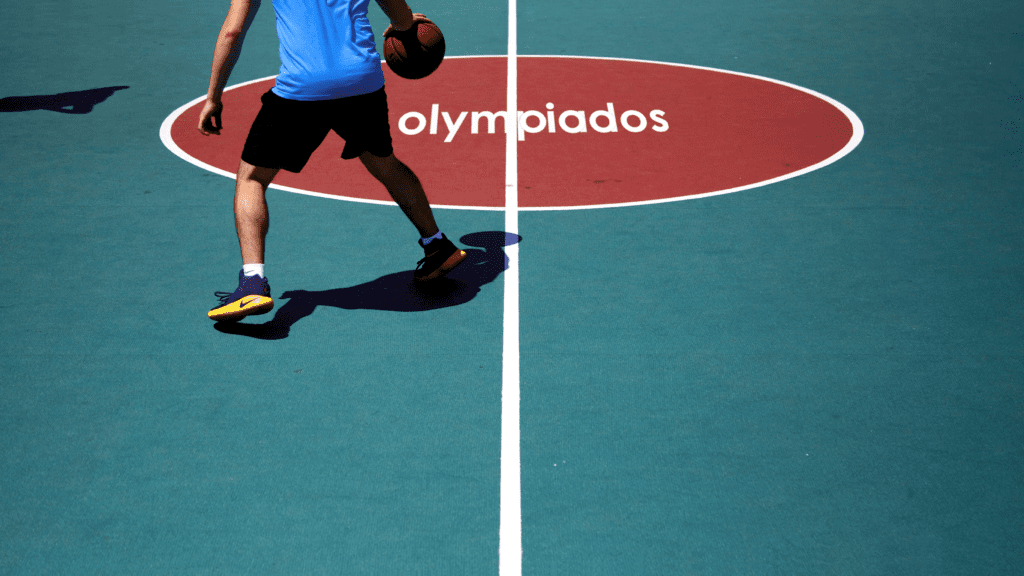
Outdoor Basketball Court Consulting
Olympiados provides independent consulting services for outdoor basketball court projects, focused on technical planning, design validation, and execution oversight.
We advise clients on outdoor court feasibility by assessing site conditions, soil characteristics, drainage requirements, climatic impact, and long-term maintenance considerations. Our consulting scope includes surface system recommendations, sub-base specifications, slope and tolerance planning, lighting layouts, fencing strategies, and edge detailing.
Rather than acting as a contractor, Olympiados works as a technical advisor—reviewing designs, validating material choices, and monitoring execution quality to ensure outdoor courts meet performance expectations and international playing standards.
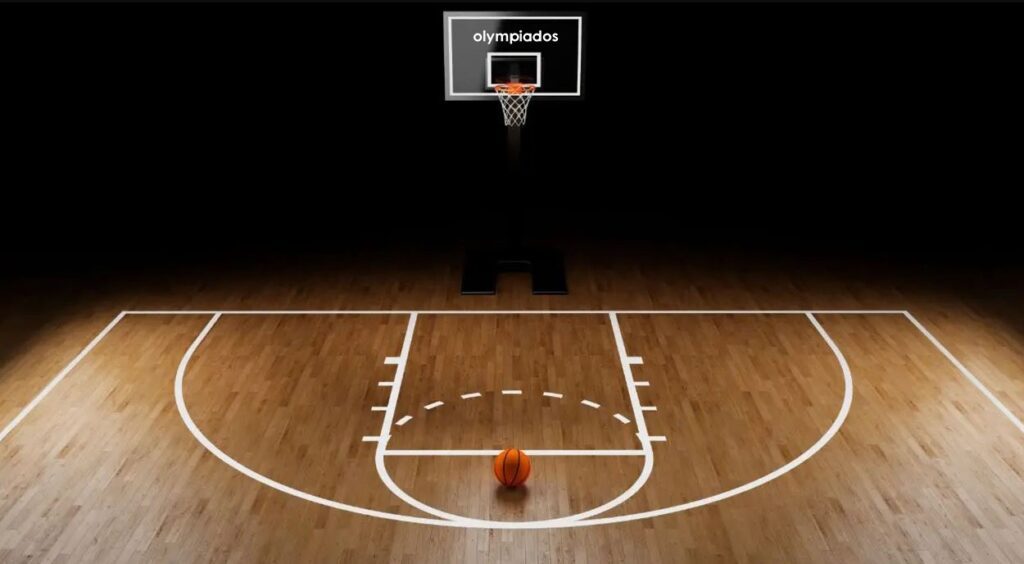
Indoor Basketball Court Consulting
Indoor basketball courts require specialised technical consulting due to flooring sensitivity, structural constraints, and environmental control factors.
Olympiados advises clients on indoor basketball court planning by evaluating flooring systems, subfloor construction, shock absorption requirements, expansion and contraction behaviour, lighting glare control, and acoustics. Special attention is given to wooden flooring systems, including species selection, grain orientation, moisture response, and long-term performance.
Our role is to guide decision-making, coordinate with architects and vendors, and ensure that indoor basketball courts are designed and executed to deliver consistency, safety, and professional-level play conditions.
01
Schools
Strategic advisory for planning safe, age-appropriate basketball courts in schools. We guide layout, surface selection, standards, and long-term usability—before execution begins.
02
Real Estate
Independent technical advisory for basketball courts in real estate projects. We help developers optimise design, cost, performance, and long-term asset value.
03
Clubs
Advisory support for clubs planning high-performance basketball courts. We guide surface behaviour, usage intensity, compliance, and lifecycle planning.
Basketball Court Advisory Across Project Types
Olympiados provides independent advisory support for basketball court projects across schools, real estate developments, and sports clubs. We help stakeholders make informed decisions on court layout, surface systems, performance standards, compliance, and long-term maintenance—before execution begins. Our role is to reduce risk, optimise investment, and ensure the court performs as intended for its users.
Basketball Court Planning FAQs
Clear answers to the most common planning questions—covering court dimensions, budget ranges, surface options, and decision factors—to help you evaluate feasibility before moving to execution.
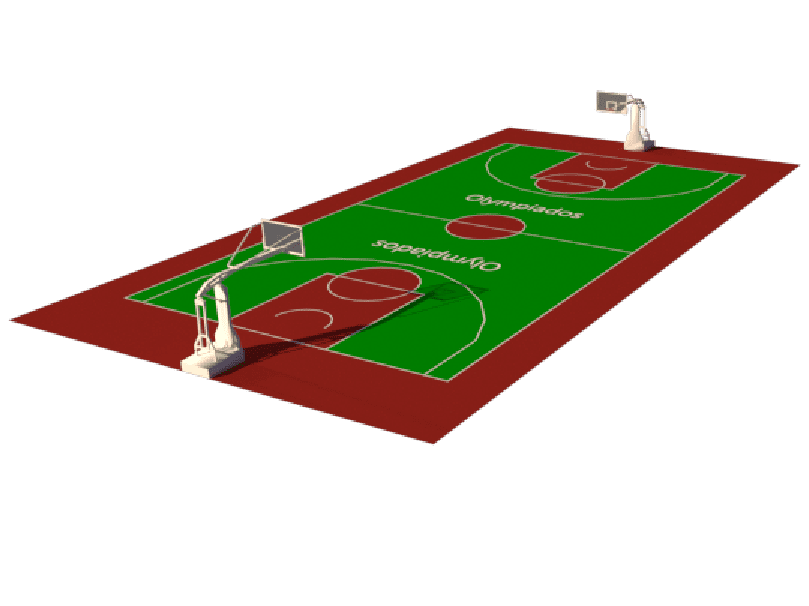
There are two sizes commonly used for basketball courts. A high school would have a basketball court dimension of 84 X 50 feet. The other measurement of a basketball court is 94’ X 50 ‘as per NBA standards. There are also half-size basketball courts being constructed for leisure and practice.
While standard dimensions exist, the final court size should be determined based on intended usage, available land, safety clearances, and governing standards (school, federation, or recreational use).
The cost of a basketball court depends on several planning variables rather than a single fixed rate. Key cost drivers include site conditions, court size, indoor vs outdoor use, flooring system selection, drainage and base preparation requirements, lighting standards, and compliance level (recreational vs competitive).
During the advisory stage, these parameters are evaluated to establish a realistic budget range before moving into design or execution.
Basketball court flooring selection depends on how the court will be used, where it will be located, and the level of performance expected.
Outdoor courts typically use acrylic-based systems or modular tile surfaces, chosen based on climate exposure, drainage conditions, and maintenance expectations. Indoor courts may use wooden sports flooring or synthetic systems, depending on play intensity, acoustic requirements, shock absorption needs, and budget considerations.
Each flooring type differs in durability, player impact response, lifecycle cost, and compliance with federation or recreational standards. Selecting the right surface requires evaluating these trade-offs early, as flooring decisions significantly influence long-term performance, safety, and maintenance costs.
Building a professional basketball court is a structured planning process that begins well before construction. The first step is defining the intended level of play (training, competition, recreational, or federation-compliant), as this directly affects court dimensions, clearances, surface selection, and equipment standards.
Site conditions such as soil quality, drainage, climate exposure, and available space must be assessed early, as they influence base design, surface performance, and long-term durability. This is followed by selecting appropriate flooring systems, lighting levels, fencing, and safety buffers based on usage intensity and regulatory requirements.
A well-executed project aligns technical specifications, budget priorities, and lifecycle considerations before execution begins, ensuring the court performs consistently, meets compliance standards, and remains cost-effective to operate and maintain over time.