Basketball Court Planning in India
Basketball Court Planning in India
Basketball court planning in India is evolving rapidly as schools, developers, and private investors increasingly look to integrate sports infrastructure into their projects. The shift is no longer just about building courts—it is about making the right planning decisions before execution.
Demand is driven by:
* Schools and educational institutions
* Residential and township developments
* Sports academies and training centers
* Private facilities and community spaces
However, most projects face challenges due to poor planning at the initial stage, leading to cost overruns, design inefficiencies, and long-term maintenance issues.
Key Considerations Before Developing a Basketball Court
Before moving into execution, the following factors must be evaluated:
1. Space and Layout
• Full-size vs half-court requirements
• Indoor vs outdoor feasibility
• Integration within larger sports facilities
2. Surface Selection
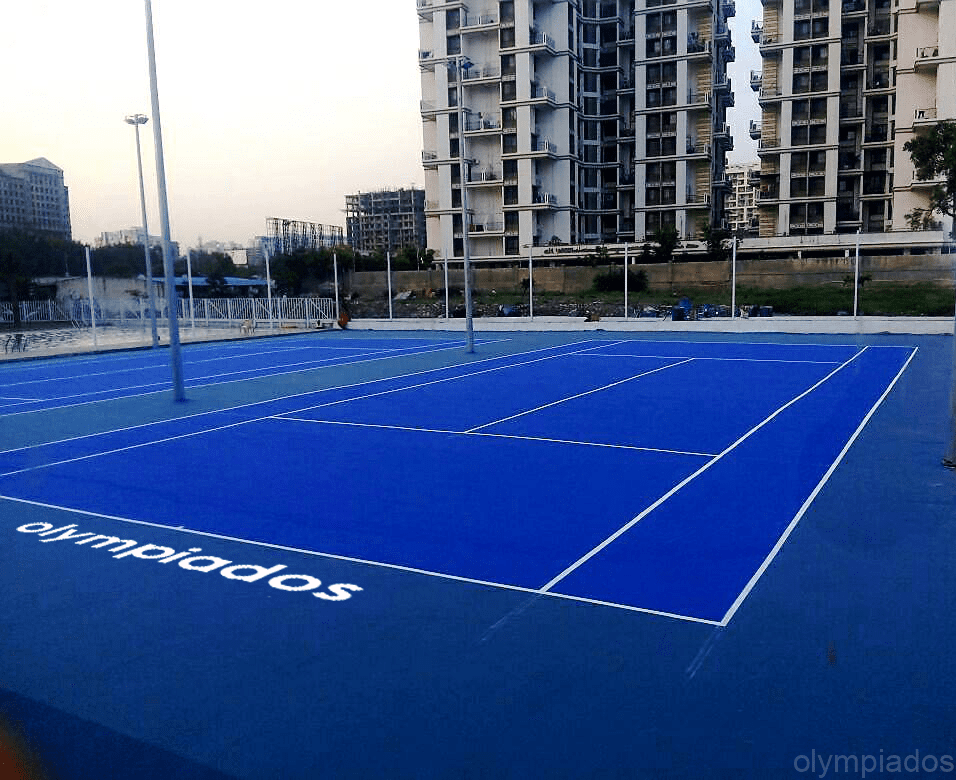
• Acrylic surfaces for outdoor courts
• Wooden flooring for indoor professional use
• Synthetic / PU systems for multi-use facilities
Each surface has implications on cost, durability, player safety, and maintenance.
3. Usage Type
• Recreational vs professional
• School-level vs academy-level
• Multi-purpose vs dedicated court
4. Cost Planning
Basketball court costs in India vary significantly depending on:
- Surface type
- Base construction quality
- Indoor vs outdoor setup
- Accessories and lighting
Early-stage cost clarity helps avoid major budget deviations later.
Different types of basketball court Flooring
1: Hardwood Surfacing
Hardwood flooring is one of the most popular options for basketball courts made using fine fibers of dense wood (made from maple wood mostly). When installed appropriately, a hardwood basketball court looks aesthetically Pleasing. NBA stadiums have hardwood floorings.
Pros
- Hardwood’s tightly packed grains offer a smooth surface with no room for grime or dirt to hide.
- This surface is anti-skid properties, giving an advantage to players good at dribbling.
- The durability of hardwood is very high, if not exposed to hot weather or water deposits
- The ball’s response on hardwood is exceptionally good
Cons
- The cost of hardwood flooring is expensive
- Not fit for outdoor use
2: Asphalt Surfacing
Most courts in public parks and outdoor community centers or schools have asphalt surfacing.
This surfacing is a combination of fine sand and oil. Lower installation costs make it an ideal option for outdoor basketball courts.
Pros
- Asphalt is a recyclable
- The installation cost of the asphalt court is cost-effective.
- Basketball bounces higher and faster on an asphalt court.
Cons
- Asphalt if not done properly can chip and cracks can appear on the surface
- needs regular maintenance.
- The impact of falls is high on asphalt basketball courts. This over a long time can damage the ankle and knee joints of players.
- Hard surface and long use of this van lead to knee pains
3: Multi-Purpose Plastic Surfacing
Many schools use the court for different activities for such things multi-purpose flooring is a good option.
Multi-purpose flooring is made from a combination of asphalt and concrete. Concrete mixed with asphalt offers a sturdy foundation. Materials used for the upper surfacing of multi-purpose courts are
- Acrylic: The acrylic layer is easy-to-install and has high durability. Besides, it is elastic, non-slippery, and low-cost maintenance.
- Tartan: Tartan is a commonly used material for multi-purpose flooring. It has high durability and elasticity. it has an anti-skid and gives maximum grip to players.
- Polyurethane: This is inexpensive and durable. It provides an even surface to players for superior grip. most multi-purpose floorings use polyurethane.
Pros
- Multi-purpose floorings can withstand heavy foot traffic.
- The installation cost of these floorings is cheaper than others
- Easy to clean and maintain.
- Durable, elastic, and offers superior grip
Cons
- This flooring gets damaged when exposed to heat.
- needs resurfacing within a couple of years when used for outdoor basketball flooring.
4: Rubber Surfacing
The rubber material is a top standard for high-performance basketball court surfacing.
The rubber surfacing gives extra cushioning to reduce the impact of falls.
the flooring has a high shock absorption capacity
Pros
- Rubber surfacing has high durability. It doesn’t splinter by high-intensity movements of basketball players.
- The material can sustain extreme weather conditions, minimizing wear and tear.
- The surfacing is skid-proof and provides sturdy ground for superior grip.
- The cost of rubber surfacing is expensive. maintenance costs in the long term are less.
- The upper layer of the rubber court becomes dull with time.
Olympiados is a sports infrastructure consulting and advisory firm.
We work with clients at the planning stage to:
– Evaluate feasibility
– Define correct specifications
– Optimize cost vs performance
– Avoid execution-stage mistakes
We do not undertake construction, but guide clients in making the right decisions before implementation.
Why Proper Planning Matters
Most basketball courts in India underperform not because of execution quality, but because:
* Wrong surface selection
* Poor drainage and base preparation
* Mismatch between usage and design
A structured planning approach ensures:
✔ long-term durability
✔ better user experience
✔ optimized investment
Who This is Relevant For
* Schools and institutions
* Real estate developers
* Sports academies
* Private investors
If you are evaluating a basketball court project, it is advisable to approach it from a planning-first perspective rather than a construction-first approach.