
Schools & Educational Institutions
Helping schools make the right sports infrastructure decisions before design, construction, and capital are locked.
Sports as an Admission Narrative
For many schools and educational institutions, sports facilities are an important part of the admission narrative. Parents increasingly expect visible sports infrastructure, and institutions respond by investing in courts, fields, and multipurpose play areas as a signal of holistic education.
This approach is understandable — but incomplete.
When sports facilities are conceived primarily as marketing features, they often struggle to integrate into daily curriculum, academic timetables, and student development. Over time, this gap becomes visible not in brochures, but in usage, safety, maintenance burden, and long-term outcomes.
Schools and institutions that treat sports as a curriculum component rather than an add-on experience very different results. Their facilities are used daily, age-appropriate, safer, easier to manage, and defensible investments over the long term.
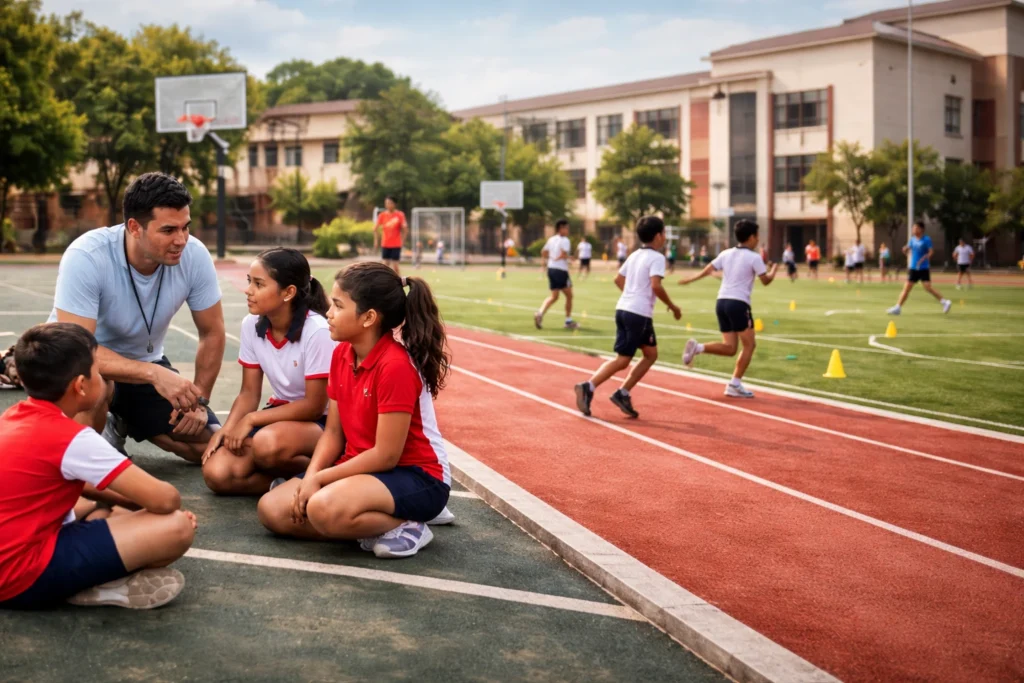
Olympiados is the advisor who ensures sports facilities support a school’s educational intent — not just its brochure.
In practice, this means aligning sports infrastructure with curriculum, daily timetables, age-appropriate development, safety, and long-term usability, rather than designing facilities solely to satisfy admission optics or marketing narratives. When sports facilities are planned with educational outcomes in mind, they become active learning environments, not underused assets.
Why School Sports Facilities Often Fail Owners, Not Just Students
Most school sports facilities fail quietly.
They are built with good intent, but without a clear understanding of how sport actually functions within an educational environment. As a result, facilities become underutilised, overburdened, or risky — creating long-term issues for owners and institutions rather than benefits.
These failures rarely appear at inauguration. They surface over time through declining usage, accelerated surface wear, safety incidents, scheduling conflicts, and escalating maintenance costs. The impact is reputational, operational, and financial.
Why Sports Decisions in Schools are Structurally Different
Sports facilities in schools and institutions behave very differently from other campus buildings.
They are used daily, often continuously, by growing children at different physical stages, under supervision constraints, and across multiple age groups and skill levels — all within fixed academic schedules. This creates unique pressures on surface durability, layout logic, circulation safety, scheduling, and long-term maintenance.
Treating school sports facilities like generic recreational infrastructure almost always leads to compromise.
What School Owners and Institutions Commonly Underestimate
The long-term cost of early mistakes in school sports infrastructure is often underestimated.
What appears manageable in the first year becomes difficult by year three or five. Retrofitting surfaces is expensive and disruptive. Safety incidents undermine trust. Poor facilities weaken sports programming credibility. Expansion and upgrades become constrained by original layouts.
These are not operational failures.
They are decision-stage failures.
what we do
Olympiados’ Role in School Sports Projects
Olympiados works with school owners, trustees, and educational institutions to ensure that sports infrastructure decisions are made with clarity, realism, and long-term responsibility.
Our role is not to replace architects, planners, or educators. It is to bring sport-domain intelligence into early decisions — where curriculum intent, space planning, safety, and usability intersect — and to work alongside existing teams to protect outcomes.
How it works
How Olympiados Works with Schools & Institutions
Sport decisions in schools must be made before drawings, branding, or marketing narratives take over.
Olympiados brings sport-domain intelligence into early planning so facilities serve education, safety, and long-term use — not just admissions brochures.
Curriculum-led Sport Planning
We help schools define sport requirements before master planning begins. Sport mix, age progression, and curriculum objectives are aligned early so physical education outcomes drive spatial decisions — not the other way around.
Right Scale Right Use
We advise on scale, layout, and adjacencies based on daily student usage, supervision needs, and timetabling realities. This prevents overbuilt, underused facilities and ensures spaces work throughout the academic day, not only during events.
Design Guardrails for Architects
We work alongside architects and planners to ensure sport performance, safety standards, and usability are protected as designs evolve. We act as the sport-domain reference point so form, aesthetics, or marketing priorities do not compromise function.
Safety & Compliance by Design
Play safety, surface selection, clearances, and risk exposure are addressed at the planning stage — not corrected later. This reduces liability, redesign costs, and operational constraints post-construction.
Feature to Learning Enviornment
Sports facilities are integrated as active educational environments, not peripheral amenities. The outcome is infrastructure that supports learning, participation, and long-term student development — not just campus appeal.
Why This Matters
When sport is defined early, schools avoid redesigns, safety retrofits, and operational failures. The result is facilities that work daily, scale responsibly, and support both education outcomes and institutional credibility.
When To Engage Olympiados
The most effective time to engage Olympiados is before sports decisions are locked.
This includes early campus planning, pre-design stages, and before budgets, tenders, or expansions are finalised. Early engagement protects capital, safety, and institutional reputation. Late engagement limits options and increases cost.
For operational schools and institutions, Olympiados supports the assessment of existing sports facilities and usage patterns, identification of safety, durability, and scheduling risks, and advisory on phased upgrades and rationalisation.
Our focus is on improving usability, safety, and outcomes within real academic and operational constraints.
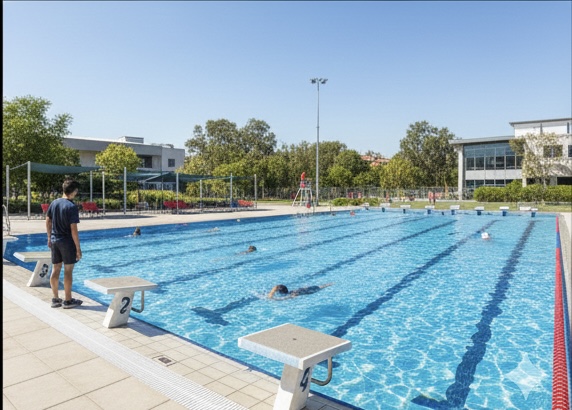
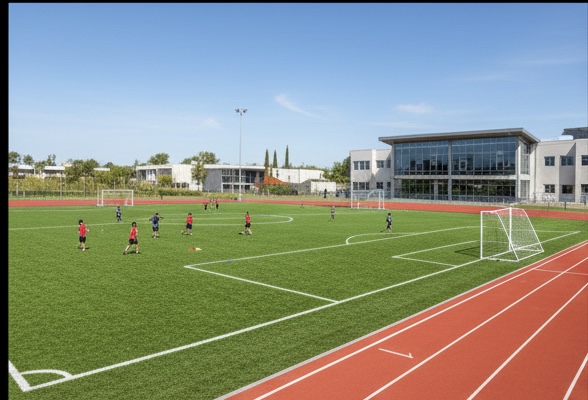
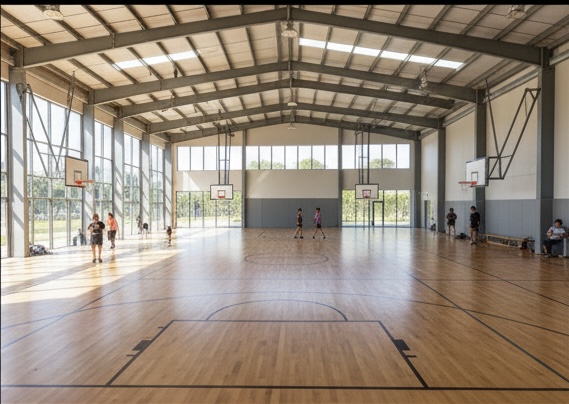
Discuss Your School's Sports Planning Stage
Talk to an Advisor before design freeze