


1. The Real Reason Injuries Happen (Not What You Think)
Elite athletes don’t get injured because they lack skill or fitness. In many cases, injuries are the result of poor playing conditions — especially the surface they train and compete on.
While training intensity, technique, and recovery matter, one factor is consistently ignored: sports infrastructure quality. From school courts to community facilities, most athletes are exposed to substandard surfaces from day one. This silently increases injury risk over time.
2. Where the Problem Starts: Poor Sports Surfaces
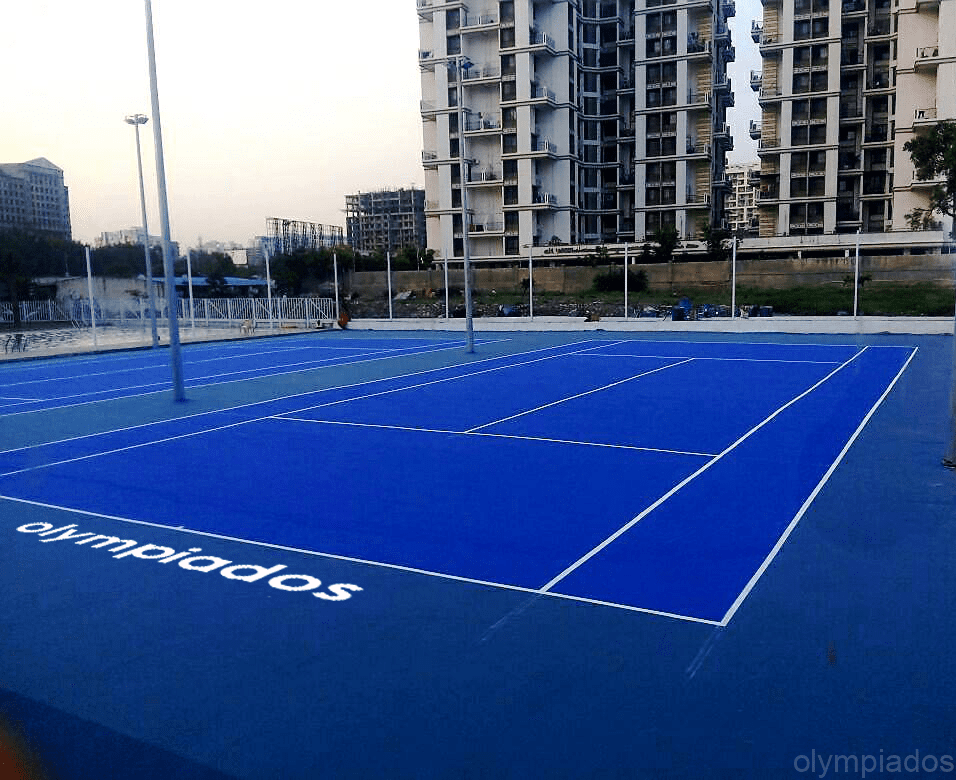
In India, a large number of sports facilities — especially in schools and residential projects — are built on basic concrete or uneven substrates. These are often passed off as “courts,” but they do not meet any professional or safety standards.
A proper sports surface is engineered for:
* Shock absorption
* Consistent ball response
* Grip and traction
* Surface evenness
When these parameters are ignored, the surface becomes unpredictable. Athletes compensate with their bodies — and that’s where injuries begin.
3. The Hidden Cost: Long-Term Injuries and Player Drop-Off
Injuries caused by poor surfaces are not always immediate. They build gradually:
* Knee stress from hard surfaces
* Ankle injuries due to poor grip
* Joint damage from lack of shock absorption
For young athletes, this is even more dangerous. It affects confidence, consistency, and long-term development. Many promising players drop out not because of lack of talent — but because the environment they trained in failed them.
4. The Right Approach: Build for Performance, Not Just Appearance
A sports facility is not just about markings and poles. The foundation and surface system determine whether it supports performance or causes damage.
The correct approach includes:
* Proper base design (not just plain concrete)
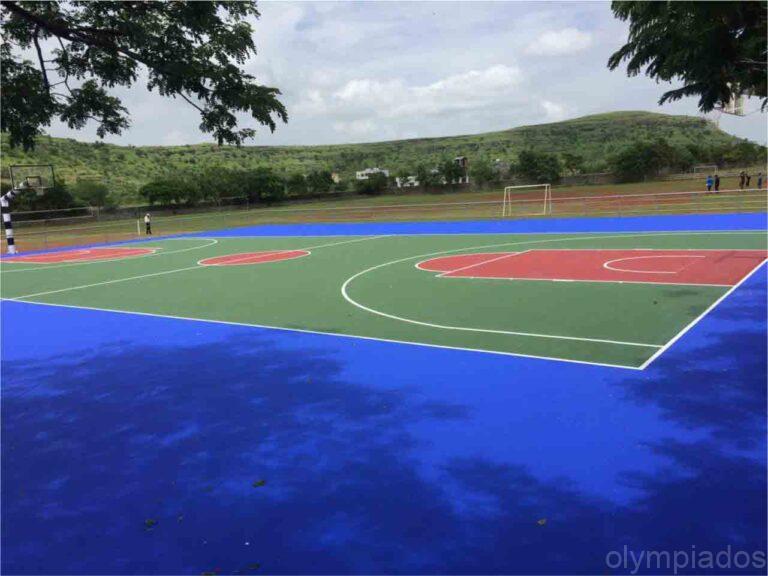
* Sport-specific surface systems (acrylic, PU, synthetic, etc.)
* Compliance with standards (ITF, FIBA, etc.)
* Professional planning before execution
If you are developing a sports facility — whether for a school, academy, or real estate project — the focus must shift from “building a court” to “building a safe playing system.”